About Artelium
Artelium was started by Julie Bretland and Mark Collins, a husband-and-wife team who were both entrepreneurs before turning to wine. They found Malthouse Farm, a former dairy farm and equestrian centre at Streat near Ditchling, in 2017, and planted the first vines that November on gently sloping, south-facing former pasture. The name joins ’art’ with the ending ’-ium’, as in planetarium, a place for study.
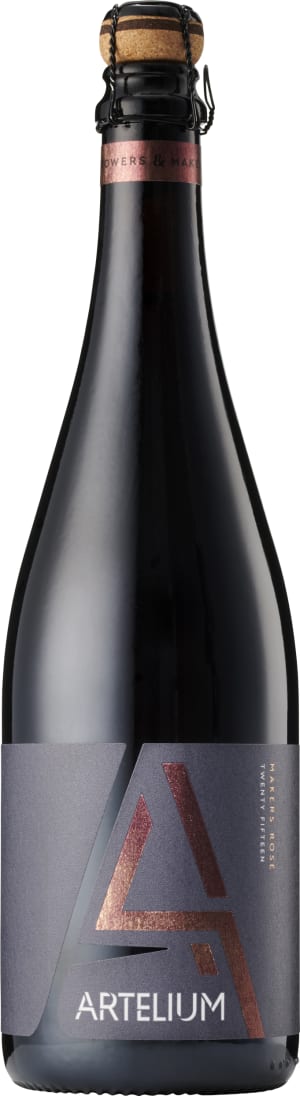
There are about 40,000 vines on 45 acres at Streat, known as Artelium East, mostly Chardonnay, Pinot Noir, Meunier and Pinot Gris, with small parcels of disease-resistant PIWI varieties. A second vineyard, Artelium West, was planted at Madehurst in West Sussex in 2020 and 2021. The first wines, a Curators Cuvée 2014 and a Makers Rosé 2015, were released in late 2020 and made by Dermot Sugrue, with Owen Elias later working on the still wines. A winery at Streat followed from 2022, and the estate’s winemaker is now Solly Monyamane.
Art runs through the estate. Sculptures by Will Nash, Walter Bailey and Rosie Mortimer stand along the path to the vines, the tasting room shows a rotating selection from the permanent collection, and artists design the labels, with Judith Alder as artist in residence. At the WineGB Awards 2022, Artelium’s Blanc de Blancs 2015 won four trophies, including Supreme Champion and Best Newcomer, and the estate took the Best South East regional trophy.
The wines
The vintage sparkling range includes Curators Cuvée, Blanc de Noirs and Makers Rosé, and the core still wines are a Chardonnay, Pinot Gris and a Meunier-led rosé. The Artefact series is a run of small-batch, experimental wines, each with an artist-designed label, and the Mosaic range, launched in October 2026, blends classic varieties with the PIWI grapes Divico and Cabaret Noir into a white, a rosé and a red. If you have tried plenty of English sparkling wine, the Artefact and Mosaic wines are the ones to ask about. The estate also sells a vermouth and a gin. Where to buy them.